The western medical explanation for Parkinson’s is that neurons in the brain deteriorate, leading to a loss of neurotransmitters, or dopamine, but scientists have not pinpointed the trigger to that loss.
The symptoms begin inauspiciously; the individual, while resting, may have a mild tremor, usually in just one hand. Symptoms, though, progress. Movements become harder to accomplish, impinging both walking and fine motor movements. An eventual, postural, stoop along with weakening facial muscles lead to a rounded back and flat expression.
Side-effects of the disease can include constipation, difficulty sleeping, anxiety and depression.
Individuals with Parkinson’s seek out complementary therapies, including massage, vitamins, acupuncture and chiropractic, to supplement their prescribed regimens. A massage won’t raise dopamine levels, but it can relieve some of the symptoms of Parkinson’s disease – and that’s why many physicians are in favor of massage for their Parkinson’s patients.
After massage, patients’ muscles may relax, their pain decrease, their anxiety lessen, their sleeplessness improve, and their mood improve. So while regular massage will certainly not cure the disease, it can improve patients’ functioning.
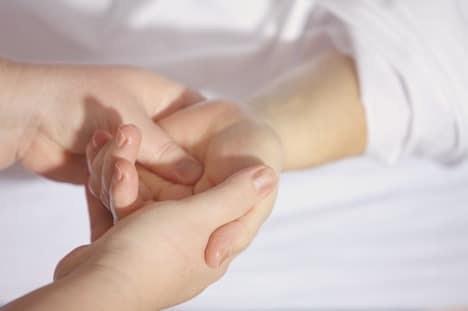
Other general changes that occur due to a massage therapy session include, increased joint ranges of motion, more relaxed walking stances, improved posture and decreased tremors.
Even without clinical trials, the marketplace success of massage has given it a niche as a valuable complementary therapy for patients with Parkinson’s. Patients seek massage because they hear that it is worth trying. Patients continue receiving massage because they feel it helps them, especially with movement and range of motion.
